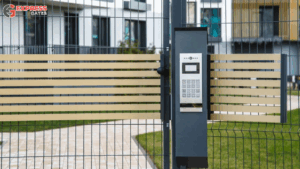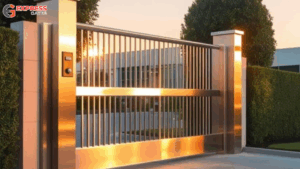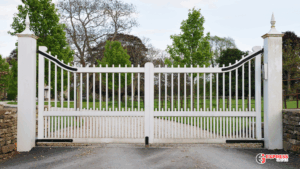
Automatic driveway gates have become an increasingly common feature of Australian homes and commercial properties, offering a seamless combination of security, style, and everyday convenience. As the main access point to most properties, the driveway plays a dual role: it’s both a visual introduction and a line of defence. Installing an automated gate not only protects assets but also elevates the property’s appearance and usability.
Across Australia, where weather extremes range from coastal salt air to inland dust, modern automatic gates are designed with durability and adaptability in mind. Using corrosion-resistant materials, weatherproof motors, and smart-integrated systems, they provide long-term reliability and comfort suited to local conditions.
From compact urban lots to sprawling rural driveways, automation has made entry control simpler and safer. These gates open smoothly at the touch of a button, a keypad, or even a smartphone, reflecting how technology continues to enhance modern living standards across the country.
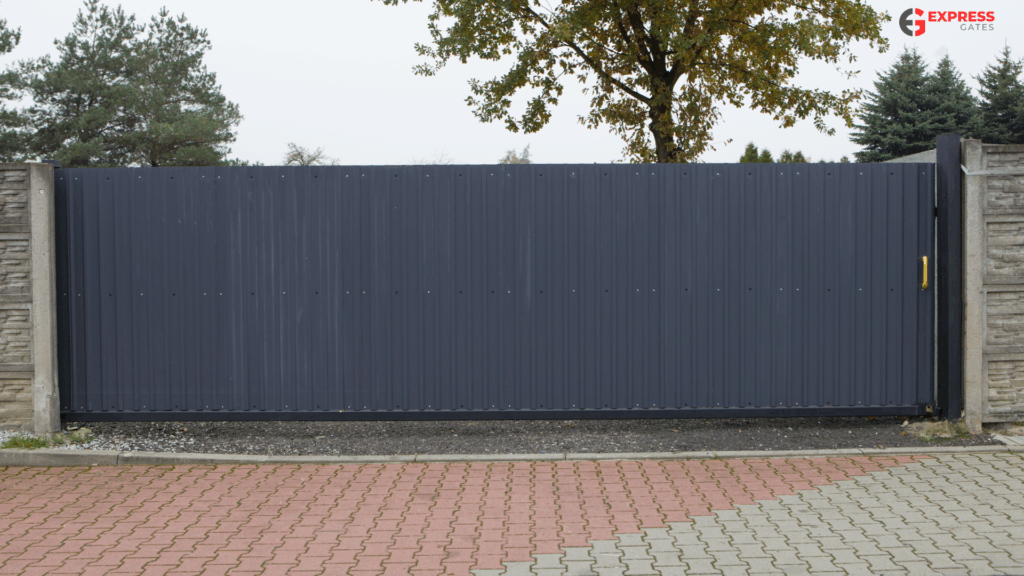
Why Choose Automatic Driveway Gates?
For most properties, the driveway is the primary point of entry and exit. It’s where visitors arrive, vehicles are parked, and the boundary between public and private space is clearly defined. Choosing to automate this access point delivers a range of practical and lifestyle benefits.
Enhanced Security
An automatic gate forms the first layer of defence against unwanted access. When combined with a front fence or wall, it helps deter opportunistic theft and trespassing. Electric locking systems, integrated sensors, and intercoms ensure that only authorised individuals can enter. For rural and suburban areas, this added protection brings considerable peace of mind.
Convenience
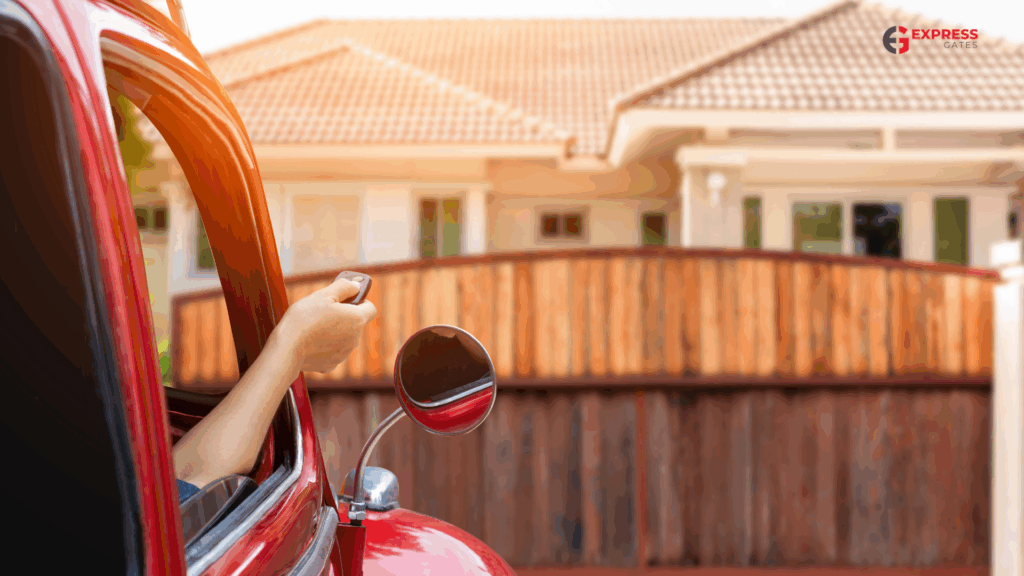
Automation transforms how people interact with their property. Opening and closing the gate from inside a vehicle means no more exposure to rain, heat, or late-night interruptions. Remote controls, smartphone apps, and motion-sensor systems provide effortless control, making daily comings and goings smoother and faster.
Increased Property Value
Buyers and investors often view automated entry as a premium feature, enhancing both safety and aesthetic appeal. Well-designed gates boost street presence and help set a home or business apart, improving resale value and overall presentation.
Customisation and Style
Automatic driveway gates come in a wide array of materials, designs, and finishes. They can be fully tailored to complement architecture—whether that’s a sleek, modern aluminium slat gate for a coastal home or a classic steel swing gate for a heritage property.
Types of Automatic Driveway Gates
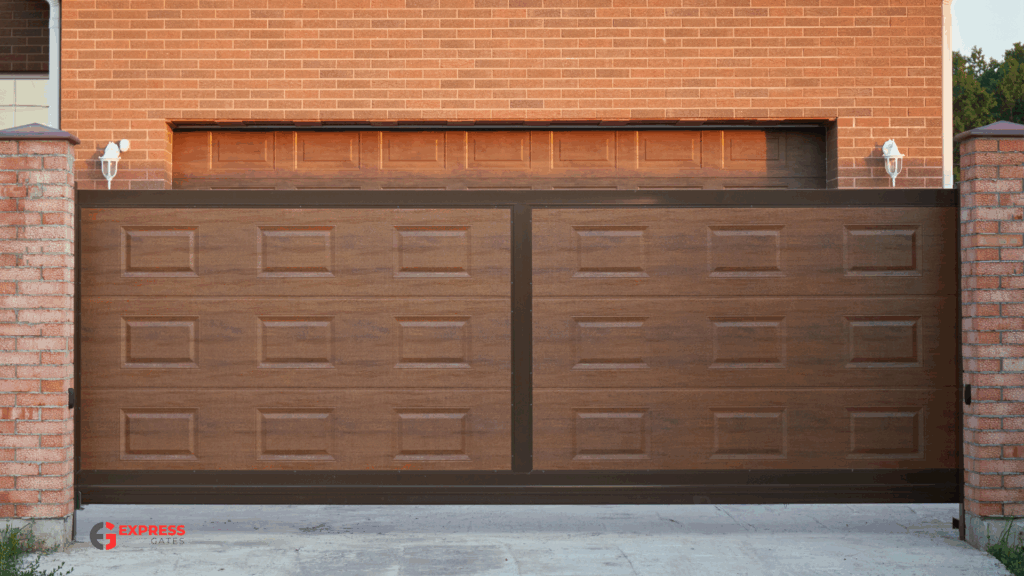
Automatic gates typically fall into two categories: sliding and swing. Each style offers specific advantages depending on the property layout, space, and aesthetic goals.
Sliding Driveway Gates
Sliding gates are a practical solution for properties with limited depth behind the gate line. They move laterally across the front boundary, either on a ground track or via a cantilever system that suspends the gate above the ground—ideal for driveways with uneven or gravel surfaces.
Key benefits include:
- Space efficiency—no inward or outward swing
- Suitable for wide or double-lane entrances
- Highly secure, with strong locking mechanisms
- Smooth and quiet operation using modern track rollers
Swing Driveway Gates
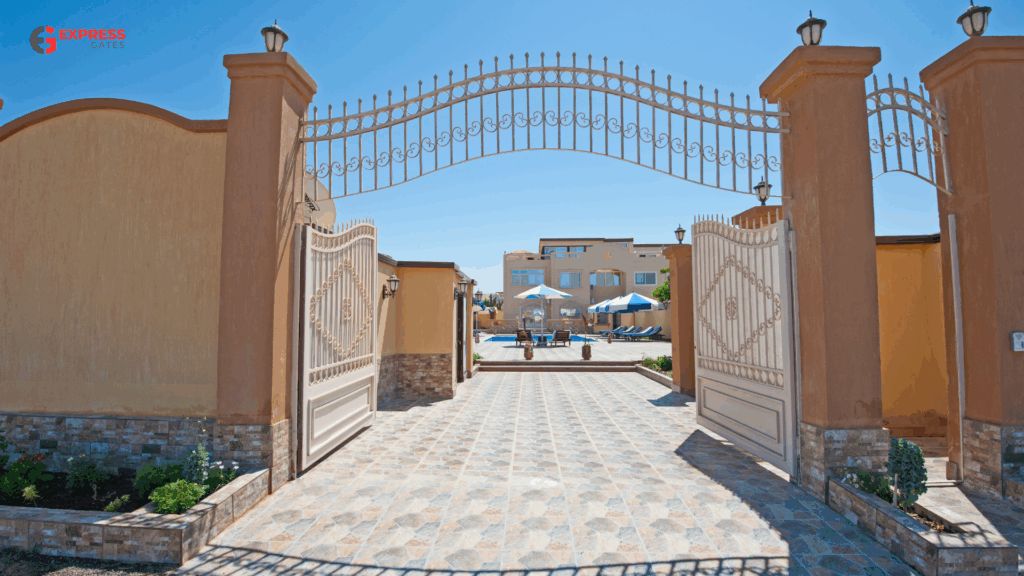
Swing gates create a traditional, grand entrance effect. They can be single or dual leaf and open inward or outward, depending on available space and driveway gradient.
Best suited to level surfaces, swing systems are popular in residential areas for their elegance and reliability. They are available with articulated arm, linear ram, or underground motors, each suited to different installation styles and budgets.
Materials and Design Options
Material choice determines both the longevity and visual identity of an automatic gate. The harsh Australian climate—particularly in coastal regions—makes selecting corrosion-resistant and low-maintenance materials essential.
Aluminium
Lightweight yet strong, aluminium is the preferred choice for many Australian homeowners. It’s resistant to rust and corrosion, even in humid or salty conditions, and can be powder-coated in almost any colour. Horizontal or vertical slat designs deliver a clean, architectural look that suits contemporary homes.
Steel
Steel offers superior strength and rigidity, ideal for commercial or industrial applications. When galvanised and powder-coated, it withstands heavy use and weather exposure. Although heavier than aluminium, steel provides a sense of permanence and added security.
Timber and Composite Inserts
Adding timber slats or wood-grain aluminium inserts can soften the look of a metal frame, giving warmth and texture. Composite options mimic the natural beauty of timber without the need for regular staining or sealing—perfect for low-maintenance properties.
Custom Design Finishes
Customisation allows homeowners to match their gate to fencing, façade materials, or landscaping. Laser-cut panels, privacy screens, and mixed materials (such as aluminium and glass) have become popular trends, creating statement entrances that enhance architectural character.
Driveway and Site Considerations
A successful installation begins with understanding the physical characteristics of the driveway.
- Slope: Steep gradients can restrict the use of swing gates, as they require a flat arc to open freely. Sliding gates often perform better on sloped sites.
- Width: The overall opening determines whether a single panel or dual configuration is required.
- Surface Type: Concrete and asphalt are best for tracked systems, while cantilever designs suit uneven or gravel driveways.
- Drainage: Proper water management is crucial to prevent track damage and corrosion of metal components.
- Vehicle Clearance: Always allow adequate space for larger vehicles, caravans, or delivery vans to pass safely.
Professional installers typically perform laser-level assessments and digital site measurements before fabrication to ensure accuracy and long-term reliability.
Automation and Control Systems
Modern automation systems combine mechanical precision with smart-enabled technology. The choice of motor type and control method depends on gate size, weight, and usage frequency.
Motor Types
- Rack and Pinion Motors (Sliding Gates): Compact, powerful, and ideal for heavy gates or frequent operation.
- Linear Rams (Swing Gates): Reliable, affordable, and suitable for domestic use.
- Underground Motors: Provide a minimalist look by concealing the mechanism below ground level.
- Hydraulic Systems: Common in high-traffic or commercial installations requiring endurance and strength.
Control Systems
Automation interfaces are designed for ease of use and integration:
- Remote Fobs and Keypads: Standard for residential properties.
- Smartphone Control: Allows gate operation and monitoring via Wi-Fi or Bluetooth.
- Intercom and Video Systems: Enable two-way communication for visitors.
- Smart Home Integration: Compatible with systems such as Google Home or Alexa for voice-activated control.
Integration with Smart Home and Security Ecosystems
As home automation advances, automatic gates are increasingly tied into smart security networks. Integration allows for unified control of gates, cameras, alarms, and lighting through a single platform.
- Real-Time Alerts: Notifications sent directly to smartphones when a gate opens or is obstructed.
- Camera Integration: High-definition cameras provide visibility of visitors at the gate.
- Geo-Fencing: Gates automatically open as a registered vehicle approaches, using GPS location.
- Energy Efficiency: Solar-powered motors and battery backups reduce energy costs while ensuring reliability during power outages.
This technology appeals to Australian households seeking low-touch convenience and improved safety, particularly in rural and suburban areas where security is a priority.
Safety Features
Automatic gates must meet Australian Standard AS/NZS 60335.2.103, which sets out safety requirements for electrically operated doors, gates, and barriers. These systems prioritise both user protection and mechanical integrity.
Key Safety Inclusions
- Obstacle Detection: The gate stops or reverses if it meets resistance.
- Photoelectric Beams: Sensors prevent closure if people, pets, or vehicles cross the gate’s path.
- Manual Release Mechanisms: Allow manual operation during emergencies or power loss.
- Soft-Start and Soft-Stop: Reduces wear, extending motor lifespan.
- Low-Voltage Power: Ensures safe operation even in wet conditions.
Safety should never be an afterthought. A professionally installed gate includes all necessary fail-safes and undergoes full operational testing before handover.
Installation Process
Installing an automatic driveway gate involves several precise steps. Engaging a qualified installer ensures correct alignment, wiring, and long-term reliability.
- Site Assessment and Quotation – Includes measurements, soil assessment, and motor selection.
- Design and Fabrication – The gate frame and panels are custom-built to suit site dimensions.
- Foundation and Track Preparation – Concrete footings and track alignment ensure stability.
- Motor and Hardware Installation – Automation components are fitted and calibrated.
- Electrical and Safety Setup – Cabling, sensors, and control boxes are connected.
- Testing and Adjustment – The system undergoes several operational cycles to ensure flawless performance.
- Handover and User Training – The installer demonstrates controls, maintenance, and safety features.
Professional installers also provide compliance certification and warranty documentation.
Maintenance and Longevity
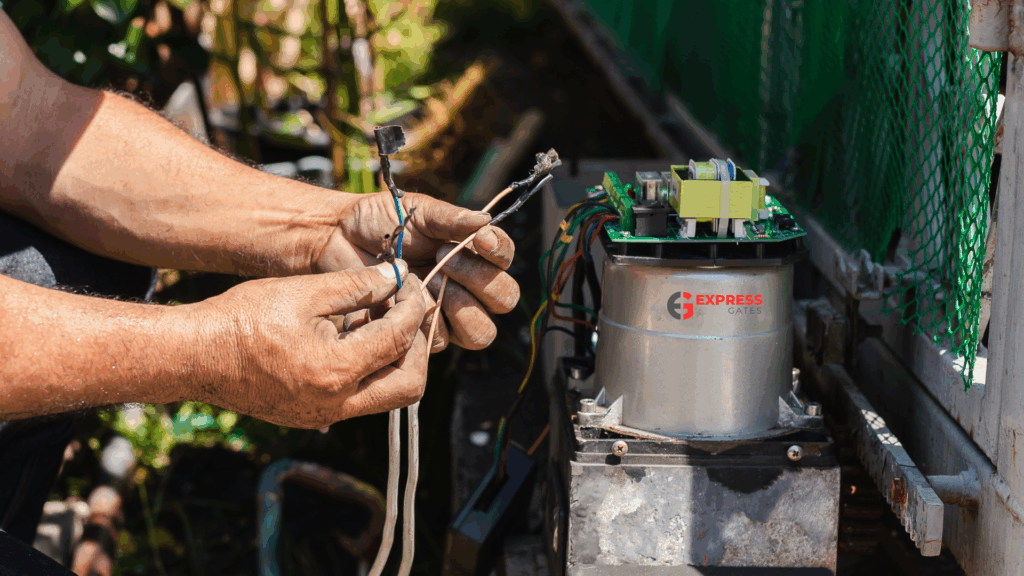
While automatic gates are engineered for durability, regular maintenance ensures optimal performance and safety.
Routine Maintenance Tips
- Keep tracks and rollers clear of debris.
- Clean sensors and check for obstructions.
- Lubricate hinges and moving parts with silicone-based sprays.
- Test remotes and safety features monthly.
- Schedule annual professional servicing for mechanical and electrical inspection.
In coastal regions, gates benefit from additional rinsing to remove salt build-up. A well-maintained system can last 15 to 20 years or more, depending on material and frequency of use.
Cost Considerations
Costs for automatic driveway gates vary depending on size, materials, motor type, and site complexity.
Typical Cost Drivers
- Gate Material: Aluminium tends to be more cost-effective and corrosion-resistant, while steel and custom finishes increase price.
- Motor and Automation Kit: Heavy-duty or solar systems cost more but reduce long-term maintenance.
- Smart Features: Video intercoms and Wi-Fi connectivity add convenience but raise initial investment.
- Installation Conditions: Sloped or narrow driveways may require additional groundwork.
Although an upfront expense, an automated gate is a long-term investment in safety, convenience, and property value. Many homeowners view the cost as part of broader home improvement or security upgrades.
Environmental Benefits
Modern automation systems align with sustainable living goals. Many Australian manufacturers now offer solar-compatible motors and low-voltage components, reducing dependence on the power grid.
Recyclable materials such as aluminium contribute to sustainability, while motion-sensing operation prevents unnecessary power usage. For off-grid or rural sites, solar power ensures uninterrupted performance without running electrical cables over long distances.
Benefits for Homes vs Businesses
Residential Properties
- Enhances privacy and street appeal
- Keeps children and pets safe within boundaries
- Integrates easily with home automation systems
- Provides convenience during all weather conditions
Commercial and Industrial Sites
- Manages access for staff, visitors, and deliveries
- Protects vehicles and high-value assets
- Demonstrates professionalism and site organisation
- Can be paired with CCTV and access logging for security compliance
Future Trends in Gate Automation
The future of automatic driveway gates lies in connectivity and intelligent control.
Emerging trends include:
- AI-assisted access: Systems that recognise licence plates or vehicles and open automatically.
- Predictive maintenance: Smart sensors that detect mechanical wear and alert owners or service providers.
- Energy-efficient materials: Lightweight alloys and hybrid composites reducing operational strain.
- Integrated lighting: LED perimeter or pathway lights that activate with gate movement for visibility and security.
As technology continues to evolve, gates are becoming an integral part of broader smart-home and smart-business ecosystems.
Choosing the Right Installer
The quality of installation directly affects performance and lifespan. A reputable installer will:
- Conduct a detailed site survey and provide design recommendations
- Use certified components and comply with Australian electrical standards
- Offer comprehensive warranties on motors and control systems
- Provide maintenance plans and after-sales support
Requesting examples of previous installations or customer references helps ensure reliable workmanship and long-term service support.
Conclusion
Automatic driveway gates have evolved from luxury additions into practical necessities for modern Australian living. They offer an unmatched balance of security, design sophistication, and convenience, redefining how people interact with their properties.
Whether protecting a family home, managing access to a business, or enhancing street appeal, a well-designed automatic gate adds daily comfort and long-term value. With careful material selection, professional installation, and proper maintenance, it becomes a feature that performs reliably year after year—quietly protecting what matters most.