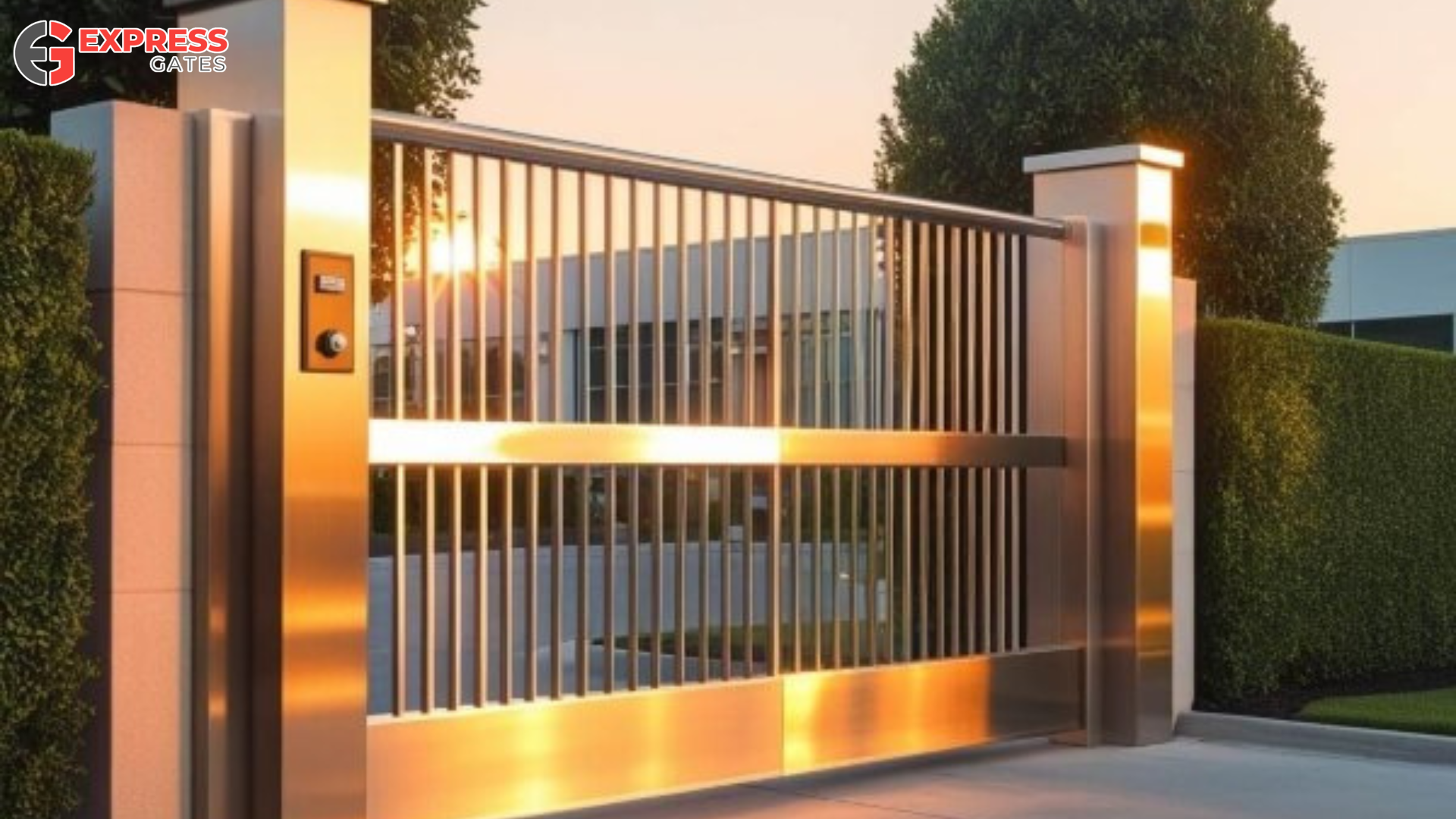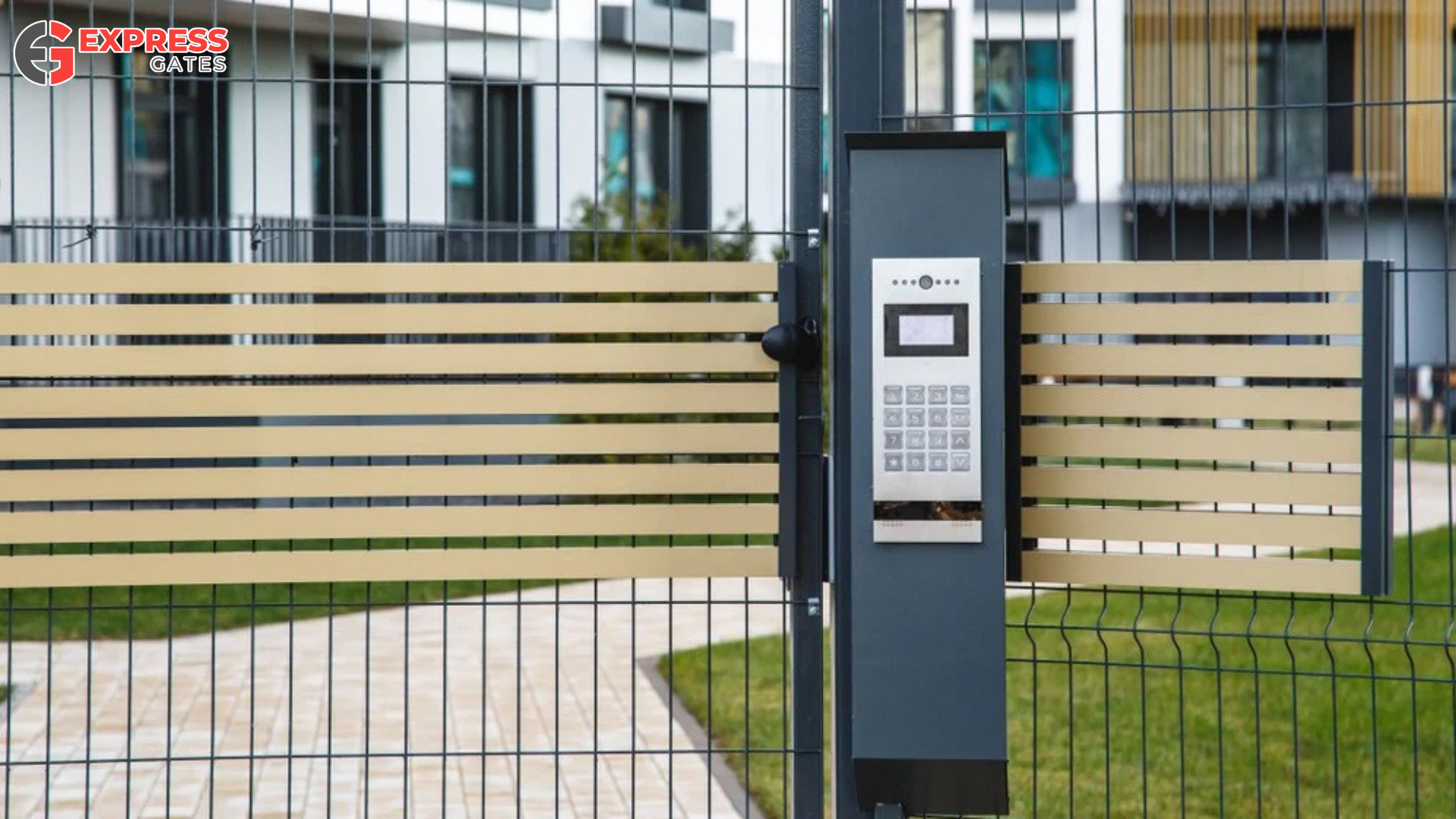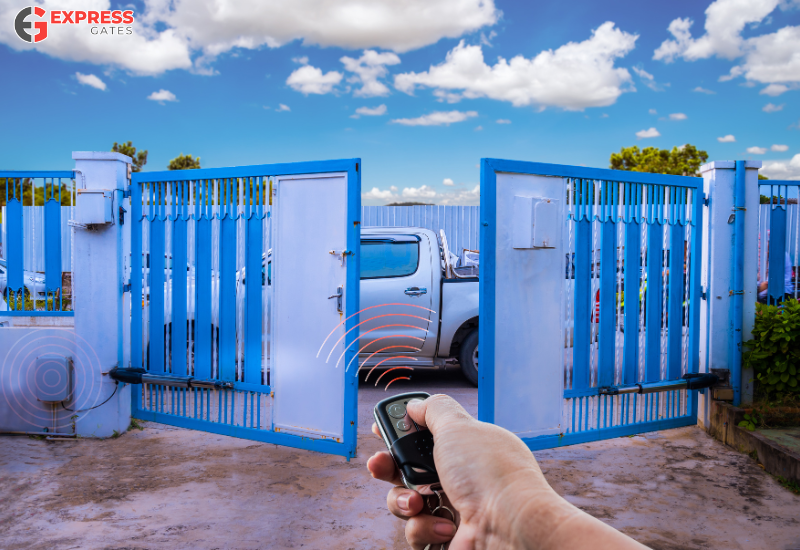
Electric sliding driveway gates offer a practical and stylish solution for modern homes. They provide reliable security, everyday convenience, and a clean, contemporary look—all in a compact footprint that works well with narrow verges, short setbacks, or sloped driveways. Unlike swing gates, which require clearance to open inward or outward, a sliding gate moves smoothly along the fence line or behind a return panel. This not only saves space but also allows the gate to perform better in windy conditions, making it ideal for both residential and commercial properties.
In Australia’s coastal and suburban environments, durability is essential. That’s why powder-coated aluminium paired with marine-grade hardware remains the preferred choice—it resists rust, corrosion, and wear over time. Modern automation systems further enhance functionality with smart access controls, safety sensors, and battery backup to keep the gate operational even during power outages. Together, these features deliver a secure, low-maintenance, and elegant entrance that adds long-term value to any property.
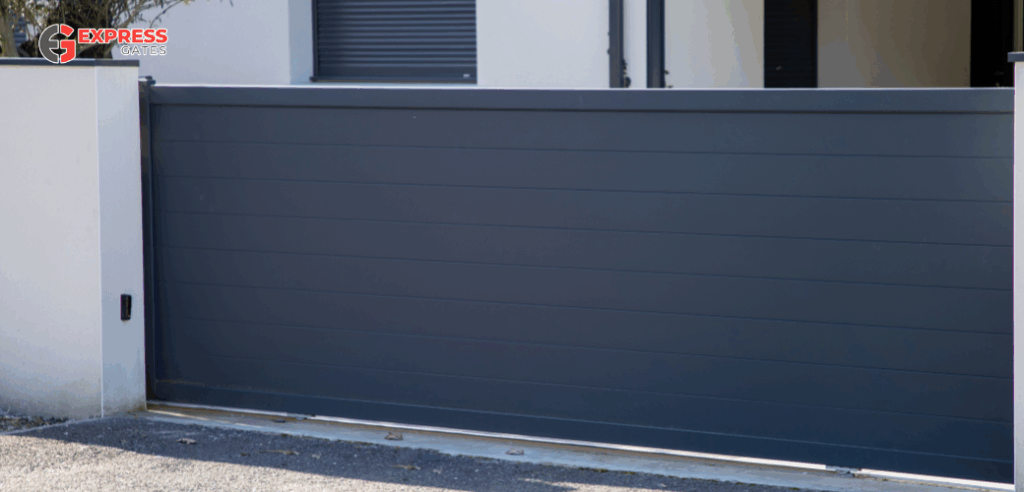
What Is an Electric Sliding Driveway Gate?
An electric sliding driveway gate is a modern entrance solution designed to move laterally along the fence line or behind a return panel, rather than swinging open. The gate itself consists of one solid panel or multiple interconnected panels that slide to clear the driveway opening. Movement is typically powered by an electric motor that drives a toothed rack mounted to the underside of the gate—a rack-and-pinion system that delivers smooth and controlled operation. Some specialty designs use a concealed cable or chain system to achieve the same function.
To ensure precise positioning, the motor system relies on limit magnets or encoders that define the fully open and closed positions. In the event of a power interruption, a built-in manual release mechanism allows the gate to be operated by hand. This combination of powered convenience and manual backup ensures reliable access to the property in any situation, making it a dependable choice for residential and commercial driveways alike.
Why Choose Sliding Over Swing?
Automation simplicity: Sliding gate automation typically involves one motor driving a single panel, resulting in a system with fewer moving parts than double swing setups. This simplicity translates to easier installation, lower maintenance costs, and fewer breakdowns over time. Fewer components also mean improved reliability and smoother daily operation.
Space efficiency: Sliding gates only need lateral clearance along the fence line, not a forecourt swing arc. This makes them ideal for properties with short driveways, narrow verges, or where vehicles park close to the boundary line. By eliminating the need for additional clearance in front of the gate, homeowners can maximize their usable parking space and maintain a clean, streamlined driveway layout.
Slopes & crossfalls: Unlike swing gates that can scrape the ground or become obstructed on sloped terrain, sliding gates operate smoothly across moderate gradients. This makes them a practical solution for driveways with uneven surfaces, crossfalls, or uphill approaches. The lateral motion avoids the clearance issues common with swinging leaves, ensuring consistent performance regardless of the terrain.
Wind resilience: Solid or semi-private swing gates can act like sails when open, catching strong gusts and placing stress on hinges and automation systems. Sliding gates, on the other hand, remain fully supported along their track, making them far more stable in windy conditions. This improved wind handling enhances both safety and longevity of the gate system.
Security: A single sliding panel with an interlocked latch or keeper provides a more secure barrier compared to double swing gates. With fewer potential weak points, it is harder to force open or manipulate. The design also makes it easier to integrate advanced locking mechanisms and smart security features, giving homeowners greater peace of mind.
Sliding Gate Types (Choose What Fits Your Site)
- Single Sliding (Track-Mounted)
The most common format. A steel or aluminium channel (ground track) runs along the inside line of the fence. The gate rolls on carriages and is guided by posts/rollers.
- Pros: Cost-effective, stable, handles heavier panels.
- Consider: Good drainage to keep the track clear of water and debris.
- Pros: Cost-effective, stable, handles heavier panels.
- Bi-Parting (Double Sliding)
Two panels split the travel distance and slide away from the centre in opposite directions.
- Pros: Halves the return space needed per side; balanced look on wider frontages.
- Consider: Requires two return zones (or one if telescoping on one side), more hardware.
- Pros: Halves the return space needed per side; balanced look on wider frontages.
- Telescopic Sliding
Two or three panels nest and move together on linked carriages so the total stack length is shorter than the opening.
- Pros: Solves short return problems; perfect for tight suburban lots.
- Consider: Higher hardware complexity and cost; precise alignment needed.
- Pros: Solves short return problems; perfect for tight suburban lots.
- Cantilever (No Ground Track)
The panel floats over the driveway on counterbalanced carriages supported by a concrete plinth/steel portal.
- Pros: No track to collect debris; ideal where leaves, gravel, or flooding are issues.
- Consider: Needs a longer overall gate (counterbalance tail) and robust footing.
- Pros: No track to collect debris; ideal where leaves, gravel, or flooding are issues.
- Curved/Custom Geometry
For architectural projects, arcs or angled tops can be implemented with custom frames and racks; expect a bespoke budget.

Materials & Finishes (Built for Australian Conditions)
Choosing the right materials and finishes is essential for ensuring your sliding gate not only looks great but also stands up to Australia’s diverse and often harsh environmental conditions. From coastal regions with salty air to suburban areas with strong sun exposure, the right combination of materials and coatings can make all the difference in durability, performance, and long-term appearance.
- Aluminium Slat/Batten (Powder-Coated):
Aluminium is lightweight, corrosion-resistant, and requires minimal maintenance, making it a top choice for properties located near the coast or in areas exposed to high humidity. Powder coating provides a durable finish that resists fading, peeling, and scratching, ensuring the gate remains visually appealing over time. Timber-look powder coats offer the warmth and character of natural hardwoods—such as teak, ironbark, or spotted gum—without the regular upkeep of staining or sealing. This makes aluminium slat or batten gates ideal for modern architectural styles and coastal homes. - Welded Aluminium Frame + Decorative Infills:
A welded aluminium frame creates a strong, rust-free structure that can be customised with a wide variety of infill options. These include perforated metal sheets for ventilation, vertical battens for a clean minimalist look, privacy louvers to control visibility, or laser-cut decorative motifs for a striking architectural statement. This level of flexibility allows homeowners to blend aesthetics with functionality while maintaining excellent weather resistance. - Galvanised Steel (Powder-Coated):
Galvanised steel provides superior stiffness and strength, making it particularly well-suited for very wide gate spans or high-security applications. To ensure long-term performance, hot-dip galvanising is recommended, as it creates a robust protective layer against rust. Careful seam sealing and proper surface treatment before powder coating further enhance durability. Once coated, steel gates achieve a refined, modern finish with the strength needed to resist warping and mechanical stress. - Hybrid (Steel Subframe with Aluminium Infills):
A hybrid gate design combines the structural rigidity of a steel subframe with the lightweight, corrosion-resistant properties of aluminium infills. This approach balances strength and reduced weight, minimising strain on automation systems and extending the lifespan of motors and hardware. It’s an excellent option for homeowners who want both a solid framework and design flexibility. - Finish Options:
To match modern architectural trends, finish choices include textured matte blacks, deep charcoals, monument greys, and a wide range of colours from Dulux or Interpon architectural palettes. Premium timber-look finishes replicate natural hardwoods like teak, spotted gum, or ironbark with exceptional realism. For properties in coastal environments, specifying marine-grade powder systems and stainless A2 or A4 fasteners is essential to protect against corrosion and extend the life of the gate.
By selecting the right material and finish, you can achieve the perfect balance of style, strength, and longevity—ensuring your sliding gate remains a standout feature of your property for years to come.
Design Styles (Complement the Façade)
A well-designed sliding gate doesn’t just secure your property—it becomes a key architectural feature. Matching the gate style to your home’s façade helps create a unified, intentional look. Whether the goal is modern minimalism, coastal charm, or classic heritage, there’s a design option to suit every aesthetic.
- Horizontal or Vertical Slats:
A timeless and versatile option, slat gates can be configured with gaps ranging from 10 mm to 100 mm to control airflow, light penetration, and privacy levels. Narrow gaps create a more private frontage, while wider gaps give a more open and airy feel. Aligning slats with your fence or pedestrian gate helps create a clean, cohesive street presence. - Batten & Blade:
These designs feature deeper profiles that create strong shadow lines, adding texture and dimension to the façade. Batten and blade styles are particularly popular with modern architectural builds, giving a sleek, linear look while still allowing for some light and airflow. - Louvre / Privacy Angled:
Louvred panels angle the blades to block street views while still allowing airflow through the gate. This design is perfect for those who want to balance privacy and ventilation, especially in warm or coastal climates where natural breezes are valuable. - Solid Panel (Minimalist):
Solid gates provide maximum privacy and security, creating a clean and understated look that pairs well with minimalist architecture. To prevent wind loading, these panels can be designed with discreet ventilation slots, ensuring strength without compromising performance in gusty conditions. - Heritage & Hamptons:
Decorative capping, shaker-style rails, and feature posts give these gates a classic, timeless feel. Ideal for traditional homes, these elements can be customised to echo the detailing of fences, verandas, or entryways, reinforcing a sense of character and elegance. - Custom Laser-Cut:
For a unique statement, laser-cut panels allow for personalised patterns such as house numbers, business branding, or bespoke motifs. This approach blends functionality with design flair, turning your gate into a striking architectural focal point.
Tip: Echoing your sliding gate design with your fence and pedestrian gate creates a unified frontage that looks intentional and professionally planned.
Sizing & Planning (Get the Geometry Right)
Good design starts with good geometry. Proper sizing and planning ensure your sliding gate functions smoothly, complies with local regulations, and enhances daily convenience.
- Clear Opening (CO):
This is the usable driveway width when the gate is fully open. Measure the bumper-to-bumper paths of your widest vehicle to ensure comfortable clearance. Factoring in swing of mirrors and turning radii prevents frustrating access issues down the line. - Return / Stack Space:
The return or stack space is the lateral distance required for the gate to slide fully clear of the opening. Standard sliding gates need at least one gate width for return, but telescopic systems can reduce this to approximately two-thirds or even half of the CO, depending on the number of panels—ideal for tight blocks. - Height:
Common residential gate heights range from 1.5 m to 1.8 m for effective privacy and security. In coastal or high-wind zones, heights around 1.6–1.7 m with slatted designs allow gusts to vent through, reducing structural stress on the gate and automation. - Topography:
Measure the crossfall across the driveway opening (in mm fall per metre). Sliding gates handle moderate crossfalls much better than swing gates, which can foul the ground. This makes them the practical choice for sloped or uneven driveways. - Services & Setbacks:
Before installing, confirm the location of underground services like power, gas, and water. Check your council’s fence and boundary setback policies, and ensure you meet visibility triangle requirements if your driveway connects to a busy road. - Drainage:
Proper drainage is essential to protect both the gate track and automation system. Grade the track toward a pit or spoon drain and avoid water pooling in areas where leaf mulch or frost can occur. Good drainage design extends the life of the system and prevents operational issues.
By combining thoughtful design choices with accurate sizing and site planning, your sliding gate will not only look great but also operate smoothly and reliably for years to come.
Site Assessment Checklist
Use this checklist during your initial site inspection to ensure smooth installation and proper system integration.
Driveway & Surface
- Measure crossfall across the driveway (mm fall per metre).
- Note surface type: ☐ Concrete ☐ Pavers ☐ Exposed aggregate ☐ Asphalt ☐ Other.
- Confirm surface level and suitability for track installation.
Return Space & Obstructions
- Measure return space available (left/right).
- Check for obstacles: ☐ Meter boxes ☐ Pillars ☐ Trees ☐ Fences ☐ Retaining walls.
- Confirm gate can fully clear the opening.
Motor Base Plate Position
- Identify suitable motor location along the inside fence line.
- Confirm stable and level mounting surface.
- Ensure area is sheltered from pooling water.
Power & Data Routing
- Plan conduit path from switchboard to motor.
- Allow for data cabling if intercom or smart access is required.
- Confirm weather protection for all cabling.
Gate Path & Clearances
- Inspect for any interferences: ☐ Downpipes ☐ Letterboxes ☐ Bins ☐ Landscaping.
- Verify level and unobstructed travel path for the gate.
Pedestrian Gate Coordination
- Confirm latch side and swing direction.
- Align pedestrian gate placement with driveway gate.
- Check for clear line-of-sight and access flow.
Security Integration
- Determine CCTV coverage of gate area.
- Plan location for intercom and/or keypad.
- Set auto-close timing and access control preferences.
Safety Zones
- Mark zones for photocells (beam sensors).
- Mark entrapment edge positions.
- Confirm compliance with safety standards.
A well-documented site assessment helps prevent installation delays, unexpected costs, and operational issues after handover.

Motors & Automation (What Matters and Why)
Motor selection factors:
- Gate Mass & Rolling Resistance: Choose torque with 25–50% overhead for smooth soft-start/soft-stop.
- Speed & Duty Cycle: Residential motors typically 12–18 m/min; busier driveways benefit from faster commercial units.
- Ingress Protection (IP): Weather-sealed housings for outdoor mounting; consider hoods in harsh exposures.
- Control Logic: Look for encoder feedback, force monitoring, and adjustable ramp profiles.
- Power: 230 V AC or 24 V DC systems; DC often integrates better with battery backup and solar.
- Battery Backup: Keeps you moving during outages—especially important for properties with electric locks or busy schedules.
- Limit System: Magnetic or digital encoder limits are robust; mechanical cams are serviceable but older tech.
Control accessories:
- Keyfobs/remotes, long-range receivers
- Keypad & PIN, proximity tags, BLE/NFC readers
- Video intercom with app push notifications
- GSM/4G modules for phone control where Wi-Fi is weak
- Smart home integration (Google, Alexa, HomeKit via certified bridges)
- Geofencing/auto-close, schedulers, holiday mode
Safety First (Design Out Risk)
Modern sliding systems should incorporate:
- Photoelectric Beams (Tx/Rx): Break-beam reverses motion; place at vehicle height and add a second low beam near ground for pets/children.
- Sensitive Edges/Force Monitoring: On leading/trailing edges and posts; motor controller should limit force to safe thresholds.
- Visual/Audio Alerts: Flashing light or beacon; gentle pre-movement beep in high-traffic areas.
- Manual Release: Lockable clutch keyed to your house set; test it and show all users.
- Secure Mounting & Stops: Properly anchored end stops and physical catches to prevent panel run-off.
- Signage: “Automatic Gate—Keep Clear” near the travel path.
(Your installation should align with relevant Australian guidelines and local council requirements. Ask for documentation at handover.)
Power Options (Mains vs Solar)
Selecting the right power source is a key part of designing a reliable and efficient sliding gate system. Power availability affects not only installation costs but also long-term performance, maintenance, and automation options. The two main choices are mains power and solar with battery backup, each suited to different site conditions and usage patterns.
Mains Power (Preferred)
- Stable performance:
Mains power provides consistent voltage and current, ensuring smooth gate operation at all times. This reliability is especially important for properties with heavier gates, high cycle counts (frequent openings and closings), or additional accessories like intercoms, lighting, and security systems. - Best for high-use properties:
Commercial sites, busy residential driveways, or shared entrances benefit from the power consistency of a wired connection. The motor can run at optimal speed without delays or reduced torque, even during peak usage. - Lower ongoing maintenance:
Once installed, a mains-powered system typically requires less maintenance than a solar setup. There’s no need to worry about sunlight availability, battery charging cycles, or periodic battery replacement. - Surge protection:
To safeguard the controller and motor from power spikes, especially in areas prone to lightning or unstable grids, it’s recommended to include proper surge protection at the controller. This simple measure can significantly extend the life of the system.
Solar + Battery
- Ideal for hard-to-reach sites:
Solar is a practical alternative in locations where trenching for mains power is difficult, expensive, or disruptive—such as long rural driveways or paved areas with no easy conduit path. - System components:
A reliable solar system includes a high-efficiency solar panel, an MPPT charger (maximum power point tracking) to optimize charging, and a ventilated, weatherproof battery enclosure. Choosing quality components is crucial to ensure consistent performance. - Performance considerations:
Solar-powered gates may run at slightly slower speeds, particularly during extended low-sun periods or heavy usage days. Proper system sizing—factoring in panel wattage, battery capacity, and typical daily cycles—helps maintain smooth operation year-round. - Maintenance and replacement:
Unlike mains power, solar systems require some upkeep. Battery life typically ranges from 3 to 5 years, depending on usage and environmental conditions, so periodic replacement should be planned as part of long-term maintenance. - Sustainability benefits:
In addition to functional advantages, solar systems reduce reliance on the grid, making them an environmentally friendly option for eco-conscious homeowners.
In summary:
- Mains power is the best choice for reliability, speed, and minimal maintenance—ideal for high-use or heavy-duty gates.
- Solar power is a flexible and sustainable alternative for sites with difficult access to mains electricity, provided the system is properly sized and maintained.
Many modern gate systems also support hybrid setups, where solar works as the primary source with mains or generator backup, offering the best of both worlds.
Step-by-Step Installation Overview
- Measure & Set Out: Confirm clear opening, return space, and datum lines.
- Civil Works: Excavate for track footing and motor pad; set conduits (power, intercom, sensors).
- Concrete & Track: Pour reinforced beam and set track absolutely level; install drainage as required.
- Posts & Guides: Fix guide post/rollers and end-stops; ensure plumb and square.
- Hang the Panel: Lift onto carriages, set wheel spacing, and verify smooth travel.
- Motor & Rack: Bolt motor to base plate; align pinion with rack; set backlash correctly.
- Limits & Sensors: Fit magnets/encoders; install photo beams; program force limits and auto-close timing.
- Commissioning: Cycle-test 20–30 times, then lock manual release, tidy cables, and label isolator.
- Handover: Demonstrate operation, provide manuals/warranty, and log the first service date.

Maintenance (Keep It Smooth)
- Monthly (Visual): Clear track of stones/leaves; check that the gate closes flush; inspect beacons and lenses.
- Quarterly: Wipe rack, check fixings, test photo beams and auto-reversal, confirm remote battery health.
- Annually: Professional service—re-level track if needed, verify force profiles, reprogram limits, lubricate carriage bearings (if serviceable).
- After Storms: Remove debris quickly; rinse salt spray in coastal zones.
(Never use heavy grease on tracks—it traps grit. Use dry PTFE/silicone where specified.)
Budget, Pricing & Lead Times (Guide Only)
Total project cost depends on width/height, material, finish, motor grade, civil works, and accessories. As a general Australian guide:
- Supply & Install (Single Sliding, Residential): from AU$4,500–$9,500+
- Bi-Parting / Telescopic / Cantilever: AU$7,500–$14,000+
- Automation Package Upgrades (smart intercom, keypads, long-range): AU$400–$2,000+
- Solar Packages: add AU$900–$2,000+ depending on capacity
- Concrete, drainage, power trenching: AU$800–$3,000+ (site-specific)
Lead time: Typical 3–6 weeks (design approval, fabrication, coating, scheduling). Busy seasons or custom finishes may extend this.
(Ask for a fixed-scope proposal that itemises fabrication, powder coat, motor spec, accessories, civil works, and commissioning.)
Common Mistakes to Avoid
- Under-spec’d motor for a heavy/solid panel (premature wear, nuisance trips).
- Poor drainage around track causing binding or corrosion of fixings.
- No battery backup where electricity supply is unreliable.
- Missing secondary beam near ground level (pet/child entrapment risk).
- Inadequate return space or not planning for bins/meter boxes.
- Forgetting future add-ons (conduit now is cheaper than retrofits).
- Using mixed-metal fasteners that accelerate galvanic corrosion in coastal areas.
Sliding vs Swing: Quick Comparison
| Factor | Sliding | Swing |
| Small setback | Excellent | Limited (needs arc) |
| Crossfall tolerance | Good | Poor-to-Moderate |
| Wind on solid panels | Better | Higher hinge stress |
| Footing complexity | Track & pad | Hinge piers |
| Pets containment | Excellent | Good (gaps matter) |
| Hardware count | Lower (single panel) | Higher (two leaves) |
Buyer’s Checklist (Print & Tick)
[ ] Gate type chosen (single / bi-parting / telescopic / cantilever)
[ ] Material and finish confirmed (powder-coat code noted)
[ ] Clear opening and return space verified on plan
[ ] Motor model sized with 25–50% capacity headroom
[ ] Battery backup / solar decision made
[ ] Safety: dual beams + sensitive edges + beacon included
[ ] Smart controls (intercom, keypad, app, geofence) selected
[ ] Conduits for power/data drawn on site plan
[ ] Drainage included in scope
[ ] Timeline, warranty, and service schedule documented
[ ] Handover pack and manuals included

FAQs
Q1: How much space do I need for a single sliding gate?
At least the clear opening width plus ~200–300 mm for posts and end-stops on the return side. Telescopic systems can reduce return length to ~50–66% of the opening.
Q2: Will a sliding gate work on my sloped driveway?
Sliding tolerates crossfall better than swing. If the track would be badly out-of-level, consider a cantilever system or minor civil works to create a level beam.
Q3: Track or cantilever—what’s better?
Track systems are cost-effective and suit most homes. Cantilever avoids debris and flooding on the track but needs a longer overall gate and heavier footings.
Q4: What happens during a blackout?
Use the lockable manual release, or specify a motor with battery backup so you can keep operating.
Q5: Can I open my gate with my phone?
Yes—via Wi-Fi or 4G modules and video intercoms. Many systems integrate with Google/Alexa/HomeKit (via certified bridges) and allow guest PINs or schedules.
Q6: How secure is a sliding gate?
Very secure when fitted with correct end-stops, anti-lift brackets, and a robust latch. Pair with cameras and auto-close after entry for layered security.
Q7: How loud are they?
A well-installed aluminium slider with a quality motor is quiet—most noise comes from debris on the track. Keep it clean and you’ll barely notice operation.
Q8: What maintenance is required?
Keep the track clean, test safety devices monthly, and book an annual service to check force profiles, fixings, and limits.
Q9: Can I add solar later?
Usually yes—ensure your control board supports DC and that there’s space for batteries and a panel location with good sun.
Q10: Do I need council approval?
Most front fences and gates must comply with local rules on height, boundary setbacks, and visibility. Your installer can advise and help with permits if required.
How We Specify an Electric Sliding Gate
- Laser-measured site survey and CAD confirmation of clear opening/return.
- Fabricated aluminium frame with chosen infill (slat, batten, privacy), powder-coated to architectural spec.
- Track beam and motor base with drainage detail; stainless fixings.
- Matched motor with soft-start/stop, encoder limits, battery backup.
- Dual photo beams, beacon, keypad/intercom, two remotes minimum.
- Commissioned, labelled, and handed over with manuals, warranty, and first-service reminder.
Warranties & Service
Look for clear coverage on: motor/gearbox, control board, remotes/intercoms, powder coat, structural frame, and on-site labour. A good program includes a 12-month service with force re-test and firmware updates if applicable. Keep your proof of professional installation to protect warranty eligibility.
Start Your Project with Express Gates
Ready to bring your sliding gate project to life? Book your free on-site assessment today. We’ll measure your space, confirm return area, choose the right motor, and provide a clear, fixed-scope proposal with no hidden costs.
Explore Gate Designs — Slat, batten, louvre, or solid styles
Automation & Accessories — Remotes, keypads, smart intercoms
Packages & Pricing — Transparent build tiers and inclusions
Service Areas — Check availability in your location
FAQs — Technical answers and maintenance tips
Take the first step toward a secure and stylish entrance. Start your sliding gate project with Express Gates today.
Pro tip: If your return space is tight, ask about telescopic or bi-parting layouts before ruling out sliding. The right geometry unlocks a solution on most sites.
Have questions about your specific driveway? Send a quick video walk-through and measurements—we’ll give you tailored options and a fixed-scope quote.