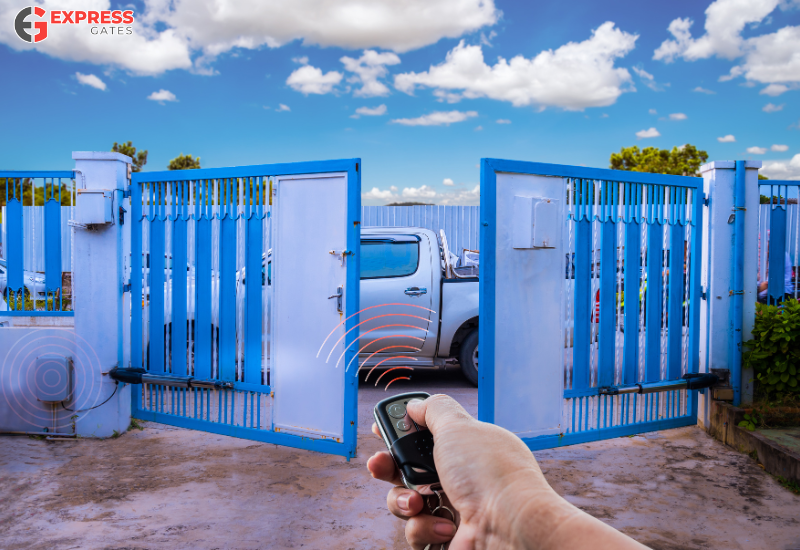
Automatic gates are one of those modern conveniences that you don’t really think about—until they stop working and you’re needing automatic gate repairs. A quiet, smooth-operating gate can provide effortless security and convenience. But when it jams halfway, won’t respond to your remote, or makes loud grinding noises, it becomes an immediate headache.
Here in Tweed and the Southern Gold Coast, those issues happen more often than in many inland areas. Coastal conditions bring unique challenges for gate systems—salt air, humidity, high winds, and summer storms all contribute to premature wear and failure of components.
The good news is that most automatic gates can be fully restored with the right combination of professional repairs, preventative servicing, and smart upgrades. Whether your system is only a few years old or has been limping along for a decade, it’s usually possible to bring it back to smooth, secure operation without needing to replace the entire structure.
In this comprehensive guide, we’ll explore why gates in coastal areas fail more quickly, how professional repair and servicing works, the most common issues we encounter, and the types of upgrades that can extend your gate’s lifespan by years. You’ll also find practical maintenance tips, examples from real local projects, and advice on avoiding common installation and design mistakes.
Why Gates in Coastal Areas Need Automatic Gate Repairs
Homeowners living near the coastline often underestimate just how much damage the environment can do to outdoor infrastructure. Automatic gates are especially vulnerable because they contain both mechanical and electronic components—both of which are susceptible to corrosion, weathering, and environmental stress.
Salt Air and Corrosion
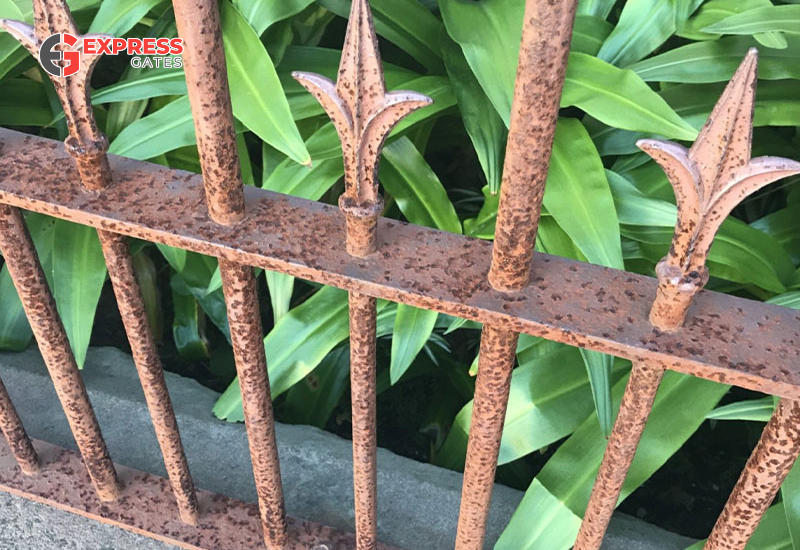
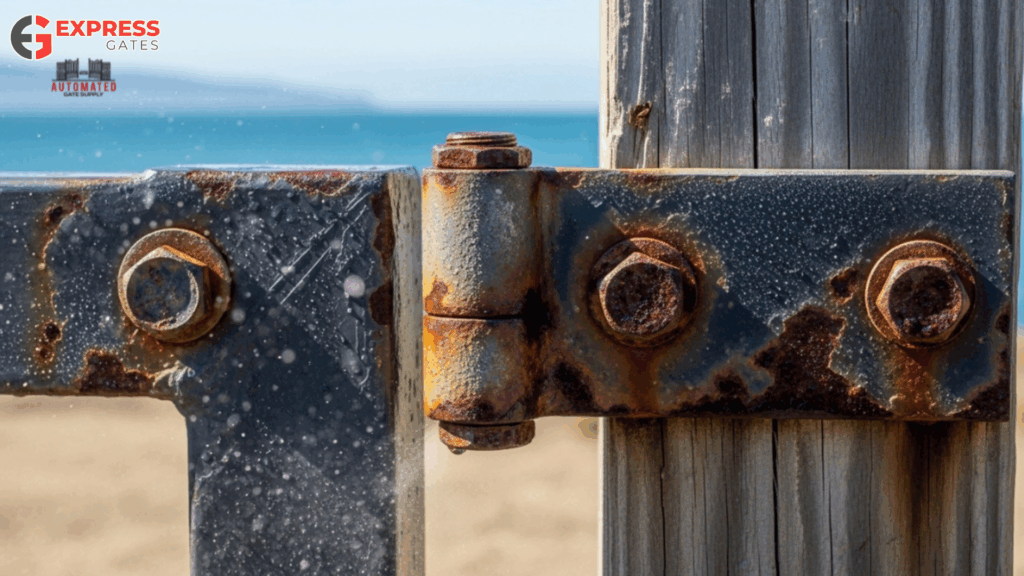
Salt in the air is highly corrosive. Even with a good powder coating or galvanizing treatment, mild steel components can rust over time. This includes not just the gate itself, but also hinges, tracks, wheels, mounting bolts, and even the inner mechanisms of motors if they aren’t adequately sealed. Once corrosion starts, it tends to accelerate quickly.
Humidity and Moisture
Humidity creates condensation, which often seeps into control boxes, motor housings, and electrical wiring. Over time, this moisture can cause wiring degradation, short circuits, or sensor malfunctions. If the installation wasn’t done with proper sealing and drainage in mind, these failures can appear just a few years after installation.
High Winds and Storms
Tweed and the Southern Gold Coast experience strong winds, especially during storm season. Swing gates and large sliding gates can catch wind like a sail, placing extra strain on motors and hardware. Without the right motor sizing and anchoring, this can cause premature wear or outright mechanical failure.
UV Exposure
UV exposure is another often-overlooked factor. Plastic components such as remote housings, keypads, safety beam housings, and certain wiring insulation can degrade in direct sun. Over time, this leads to cracking, brittleness, and water ingress.
Ground Movement and Shifting
Coastal soils can expand, contract, and shift slightly over time. That movement may seem minor, but it can misalign gate tracks and posts. Even a small misalignment can lead to motor strain, gear damage, or scraping and jamming issues.
These environmental factors explain why automatic gates near the coast often require more frequent servicing than inland properties. What works perfectly for a suburban Brisbane home may not last half as long in Tweed or Coolangatta without the right protective measures.
The Professional Automatic Gate Repair and Servicing Process
When your automatic gate fails, your first concern is usually simple: you want it working again as quickly as possible. But a well-executed repair does more than just fix the immediate fault. It also identifies underlying causes, prevents repeat breakdowns, and strengthens the system against future wear.
Here’s how the repair and servicing process typically works at Express Gates:
1. Initial Site Assessment
The first step is a comprehensive site inspection. A trained technician examines the gate structure, motor, control box, track or hinge setup, sensors, and wiring. They also check for corrosion, physical damage, misalignment, or environmental wear.
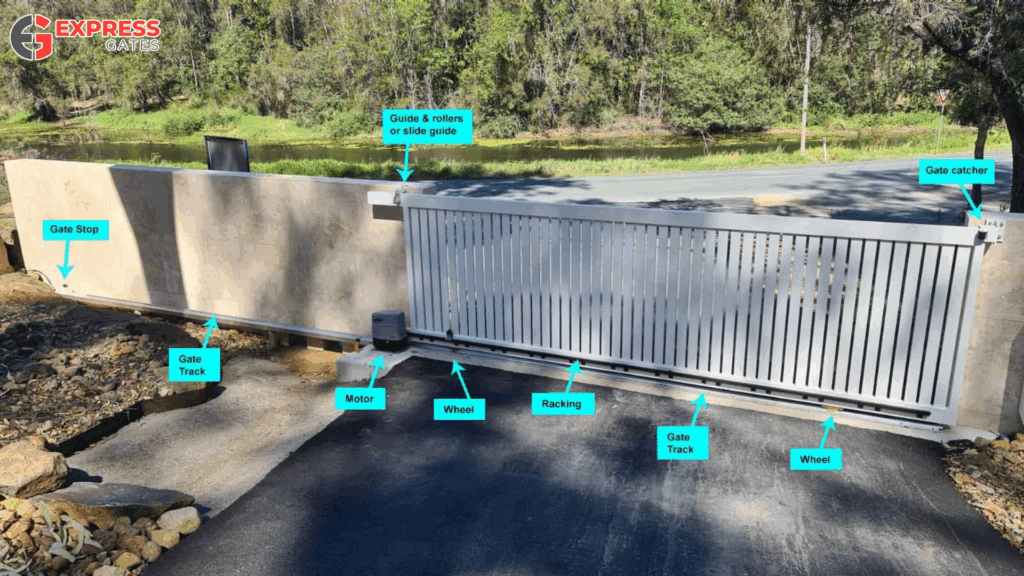
For sliding gates, we inspect the track alignment, wheels, and drive rack. For swing gates, we assess hinge integrity, post movement, and motor pivot angles. We also check safety beam placement, limit switches, and emergency release mechanisms.
2. Fault Diagnosis
Once the visual inspection is done, we run a series of functional tests to isolate the fault. This can involve checking voltage at various points, testing the logic board, inspecting for moisture ingress, or identifying worn components like gears and limit switches.
3. Fixed Quote and Clear Scope
Before any work begins, we provide a fixed quote outlining what needs to be repaired or replaced. This avoids unpleasant surprises later. If we recommend an upgrade or preventive work, it’s explained clearly so you can make an informed decision.
4. Repair and Replacement Work
Common tasks during repairs include:
- Replacing a burnt-out motor or gearbox
- Resealing or replacing a water-damaged control box
- Realigning tracks or hinges
- Replacing corroded fasteners with stainless steel
- Installing new safety beams or keypads
- Upgrading remotes and receivers
5. Testing and Calibration
Once the mechanical and electrical work is complete, the system is carefully tested. This includes running multiple open and close cycles to ensure smooth operation, testing safety sensors, checking motor torque, and confirming that limit switches function correctly.
6. Preventive Sealing and Protection
If the repair was related to environmental exposure, we apply additional sealing, weatherproofing, or protective measures. This might involve raising the control box off the ground, adding drainage, installing surge protection, or using marine-grade components where appropriate.
7. Final Handover and Maintenance Guidance
We finish by walking you through what was repaired, how to operate the system correctly, and what to keep an eye on. Preventive maintenance is a key part of extending the life of your gate.
Common Problems with Automatic Gates in Coastal Areas
After servicing and repairing hundreds of gates in Tweed and the Southern Gold Coast, some issues appear time and time again. Recognizing these early can help you avoid bigger repair bills later.
Motor Failure
Many original installations are fitted with motors that are barely adequate for the gate’s size and weight. Add wind load, rusted tracks, or misalignment, and the motor is forced to work harder than designed. Eventually, the motor burns out or the gearbox wears down.
Corrosion of Structural and Moving Parts
Low-quality coatings, mild steel fittings, and poorly sealed components are particularly vulnerable near the coast. Rusted rollers, wheel bearings, and hinge pins can seize up, causing jerky or uneven movement. This not only affects performance but can lead to motor damage as well.
Water Ingress in Control Boxes
Moisture inside control boxes is one of the top causes of electrical faults. Water can cause short circuits, blow fuses, or corrode the PCB. Even if the system keeps running, it’s often on borrowed time once water gets in.
Sensor and Safety Beam Failures
Photoelectric beams and other safety sensors are often exposed to UV and rain. Over time, their housings crack or seals fail. Dirty lenses, misalignment, or insect nests inside the sensor heads can also cause gates to refuse to close properly.
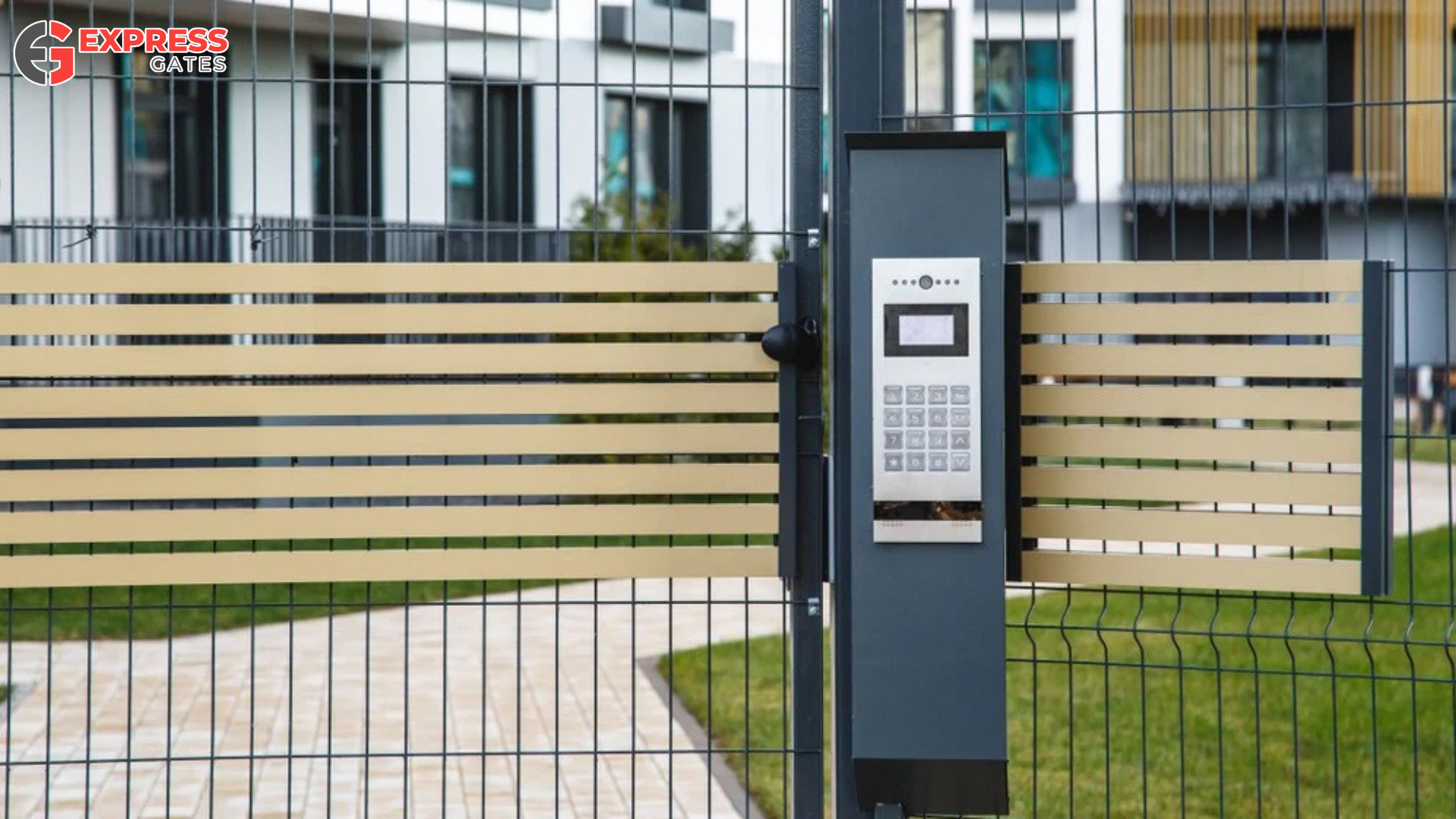
Keypad, Intercom, and Remote Malfunctions
Plastic housings degrade under intense sunlight, leading to cracked casings and water ingress. Remotes and wireless receivers can also become unreliable if mounted too close to metal surfaces or in damp areas.
Track and Hinge Misalignment
Small amounts of soil movement, root growth, or driveway settling can shift posts and tracks. When the gate becomes misaligned, the motor must work harder, which shortens its lifespan and leads to jerky operation or jamming.
The Case for Strategic Upgrades
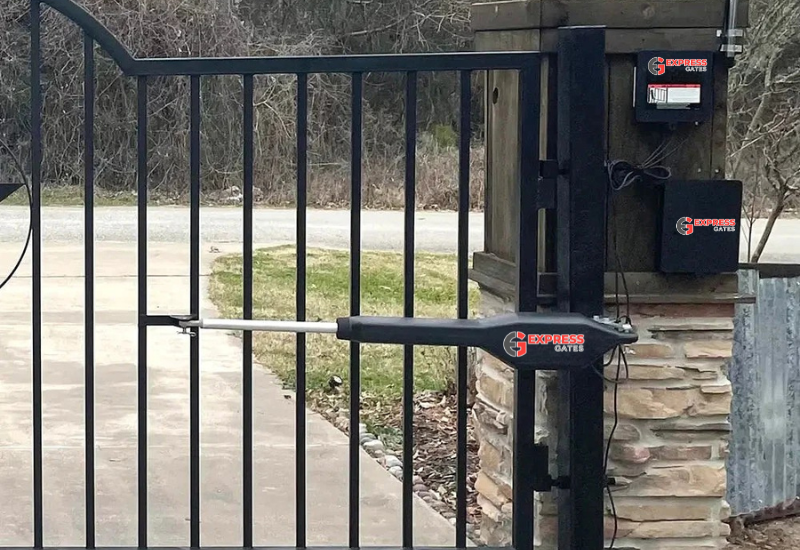
Not all gate problems are best solved with patch repairs. Sometimes, investing in a targeted upgrade saves you money in the long run. Upgrading isn’t just about convenience; it’s also about extending service life, improving weather resistance, and enhancing security.
Upgrading Hardware
Replacing corroded steel hardware with stainless steel or marine-grade aluminium makes a significant difference in coastal environments. These materials resist corrosion far better and maintain their strength for decades with minimal maintenance.
Better Protective Coatings
Gates can be repainted or powder-coated with marine-grade finishes. This extra layer of protection shields against salt, moisture, and UV exposure.
Control Box Improvements
Many older gates have control boxes installed at ground level, without proper sealing or surge protection. Modern upgrades can include elevated mounting, IP-rated enclosures, and integrated surge arrestors to protect against lightning and power fluctuations.
Modern Access Technology
Older remotes can be replaced with modern Wi-Fi and smartphone app controls. These systems allow you to operate your gate remotely, manage access permissions, and receive activity alerts.
Solar and Backup Power
For driveways where running power cables is difficult, solar-powered gate systems are a practical and sustainable option. With battery backup, they also keep your gate operational during power outages.
Motor Sizing and Re-specification
If the original motor was undersized for your gate, upgrading to a higher-capacity unit can drastically improve performance and reduce strain. This is especially important for large swing gates exposed to wind.
Real Project Example — Tweed Heads Seaside Property
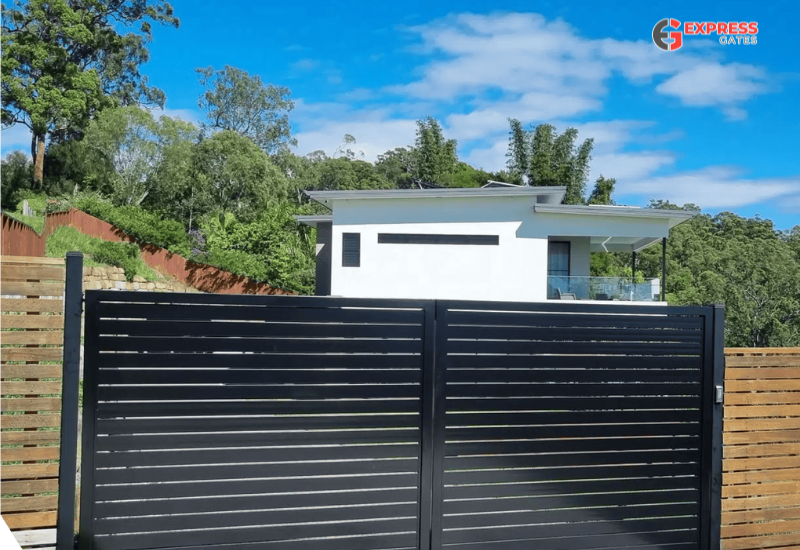
A recent job in Tweed Heads illustrates how the right repair and upgrade strategy can turn a failing gate into a reliable, low-maintenance system.
The problem:
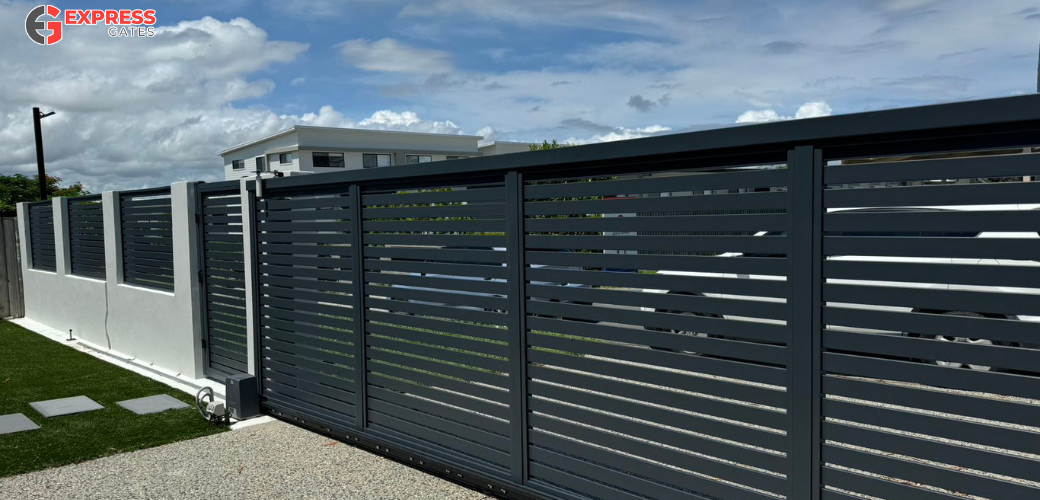
The client had a modern aluminium slat sliding gate installed around seven years ago. After a particularly intense summer storm, the gate stopped working altogether. Upon inspection, we found:
- The steel track had corroded through at several points.
- The control box had filled with water and the PCB was burnt.
- The motor was undersized for the gate’s span and had seized.
- The safety beam housing was cracked from UV exposure.
Our solution:
- Replaced the track with a corrosion-resistant rail.
- Installed a sealed IP-rated control box with surge protection and raised mounting.
- Upgraded to a solar-powered motor with app-based control.
- Added new safety beams and UV-stable keypad housing.
- Realigned the gate for smooth operation.
The result:
The gate now operates quietly, reliably, and can be opened or closed from anywhere via the client’s smartphone. The materials and technology used are specifically chosen for coastal durability, reducing future servicing needs.
Maintenance Tips for a Longer-Lasting Gate
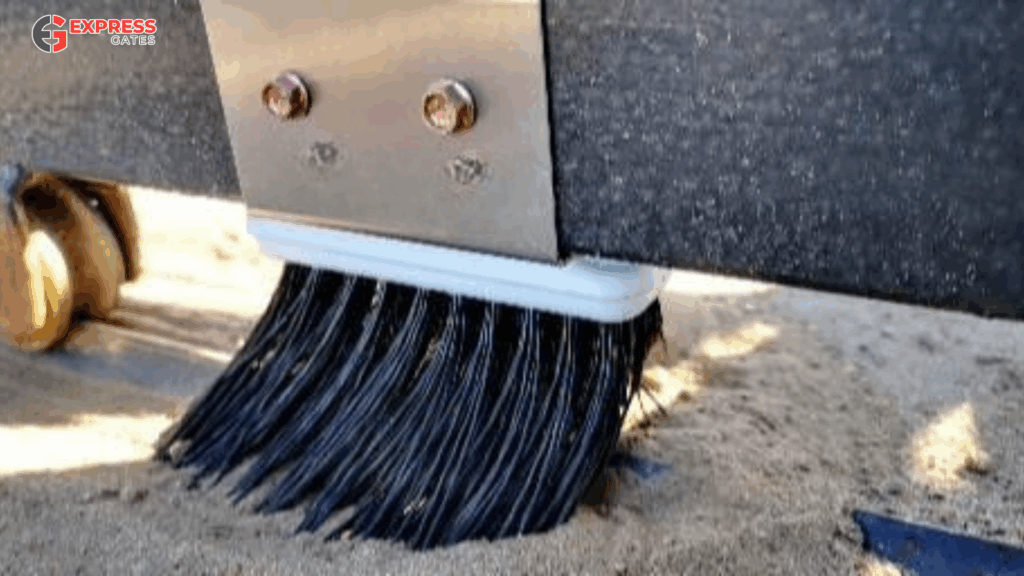
Even the most durable automatic gate needs occasional attention to stay reliable. At Express Gates, we’ve seen how a few minutes of simple maintenance can extend a system’s lifespan by years—especially in coastal regions like Tweed and the Southern Gold Coast, where salt, humidity, and strong winds accelerate wear.
The good news? You don’t need specialist tools or advanced knowledge to keep your gate performing at its best. Follow these practical maintenance steps to protect your investment and ensure your gate continues to run smoothly year after year.
1. Keep Tracks and Hinges Clean
Sand, salt, and leaf litter are your gate’s worst enemies. Over time, debris collects in sliding gate tracks or swing gate hinges, creating friction that strains the motor and can even cause alignment issues.
For coastal homeowners, this is one of the most important habits to maintain. Sea breeze carries fine particles of salt and sand, which build up faster than you might expect.
How to clean your gate:
- Use a stiff brush or compressed air to remove debris from the track or hinge area.
- Hose the area down occasionally, allowing it to dry completely before operating the gate again.
- Avoid directing high-pressure water jets at bearings or motor housings—they can force water into sealed components.
- Check for stones or roots lodged in the track that may block movement.
Express Gates tip: Ask us about installing track brushes or seals that help reduce future buildup, especially in open or sandy driveways.
2. Test Safety Beams
Your safety beams are designed to protect people, pets, and vehicles by preventing the gate from closing when something crosses their path. When they fail or get dirty, your gate may refuse to close—or worse, stop responding altogether.
Testing and maintenance:
- Clean both beam lenses gently with a soft, damp cloth.
- Ensure the beams are facing each other directly; even a few millimetres of misalignment can trigger false readings.
- Test by standing briefly in front of one sensor during gate operation—the gate should stop or reverse immediately.
- Look for signs of cracked housings or water ingress.
In coastal settings, beams can fog up or corrode faster due to humidity. Express Gates recommends checking beam operation every two to three months, especially before the wet season.
3. Check for Corrosion Early
Corrosion is one of the most common (and preventable) issues we encounter during service calls. Rust typically starts at hinge points, mounting brackets, or anywhere paint has chipped—then spreads quickly in salty air.
Inspection checklist:
- Look for orange staining, bubbling paint, or small patches of exposed metal.
- Tap lightly with a screwdriver handle; if the area flakes or sounds hollow, corrosion has already set in.
- Pay special attention to bolts and weld points near the ground where moisture collects.
Quick fix:
- Sand and treat small rust spots immediately with a rust converter or marine-grade primer.
- Repaint with a powder-coated finish or corrosion-resistant enamel.
- Replace rusted bolts and fittings with stainless steel or galvanised hardware.
At Express Gates, every repair or upgrade in coastal zones includes marine-grade finishes and stainless fasteners by default. This small investment pays off with long-term reliability.
4. Lubricate Moving Parts
Friction is a silent performance killer. Keeping your gate’s moving parts lubricated ensures smooth motion, prevents squeaks, and reduces strain on your motor.
What to lubricate:
- Hinges and pivot points on swing gates
- Roller bearings and track wheels on sliding gates
- Drive arms and guide rollers
How often: Every three to six months, depending on usage and weather conditions.
Use the right lubricant:
- Choose a silicone-based or lithium grease designed for outdoor environments.
- Avoid standard oil sprays that attract dust or break down protective coatings.
- Apply lightly and wipe off excess to prevent grit accumulation.
After lubrication, operate your gate several times to distribute the lubricant evenly.
5. Inspect Electrical Components
Moisture and salt are harsh on electronics. If your gate starts acting erratically—stopping mid-cycle or responding slowly—it could be due to oxidation or water ingress inside the control unit.
DIY inspection guide:
- Open your controller box and look for condensation, corrosion, or rust on terminal connections.
- Check that cable glands are sealed and cables aren’t cracked or sun-damaged.
- Verify that there’s no pooling water inside conduit entries.
- Listen for clicking relays or buzzing sounds, which may indicate electrical strain.
If anything looks off, call Express Gates before attempting to reseal or reconnect wires. We use IP-rated enclosures and corrosion-protected components that are purpose-built for coastal regions.
6. Maintain Solar and Backup Systems
If your gate runs on solar power, keeping the panels and batteries in good condition ensures consistent performance and avoids costly downtime.
Maintenance tips:
- Clean solar panels gently with mild soapy water to remove dust and salt film.
- Trim back vegetation that may cast shadows over the panels.
- Inspect battery terminals for corrosion; clean and tighten if necessary.
- Use a voltmeter to ensure your battery is holding charge (typically between 12.5–13.8V).
For systems with mains power and a battery backup, test your backup at least twice a year by disconnecting mains power and confirming the gate still operates normally.
Express Gates service tip: Our technicians check solar output, battery voltage, and regulator performance during every scheduled service.
7. Schedule Professional Servicing
Even the most diligent homeowner can miss early warning signs. That’s why professional servicing every 12–18 months is so important.
During a service, Express Gates technicians perform a full inspection that includes:
- Motor current testing and recalibration
- Safety beam and force setting verification
- Hinge and track alignment checks
- Electrical integrity testing
- Comprehensive cleaning and lubrication
We document all findings and provide a detailed report, so you know exactly how your system is performing.
The result: a quieter, smoother, safer gate that’s compliant with AS/NZS safety standards—and less likely to fail when you need it most.
Mistakes to Avoid with Automatic Gates
At Express Gates, we often see premature gate failures caused not by wear and tear, but by poor installation choices. Cutting corners to save on upfront costs usually leads to bigger bills later. Here are the most common mistakes to avoid when installing or upgrading your automatic gate.
1. Undersized Motors
A motor that’s “just strong enough” to move your gate in perfect conditions will quickly struggle once real-world factors—like wind, dirt in the track, or minor misalignment—come into play. Undersized motors overheat, wear out, and often fail prematurely.
At Express Gates, we slightly overspec every motor to ensure smooth, reliable performance no matter the weather or load.
2. Inappropriate Materials
Using mild steel or low-grade hardware near the coast is asking for corrosion. Salt air, humidity, and rainfall can quickly eat away at unprotected metal.
We use stainless steel and marine-grade aluminium components to ensure every installation resists rust and stays strong for years, especially in coastal areas like Tweed and the Southern Gold Coast.
3. Poor Control Box Placement
Control boxes mounted too low or without proper sealing are prone to water damage and insect intrusion. Moisture inside electrical housings can cause system failures or corrosion.
Our installations place control boxes above splash height with IP-rated enclosures to keep electronics safe in all weather.
4. Neglecting Safety Systems
Safety beams and sensors are essential, not optional. Skipping them—or letting them fall out of alignment—can cause damage or injury, and may even breach safety standards.
Express Gates includes safety systems in every automated installation and ensures they’re tested, aligned, and compliant with Australian regulations.
5. Ignoring Cable Expansion
Temperature changes cause cables to expand and contract. Without small expansion loops in the conduit, wires can pull loose or break over time, causing frustrating intermittent faults.
We install flexible conduit joins and expansion loops on all projects to protect wiring and maintain long-term reliability.
Why Local Expertise Matters
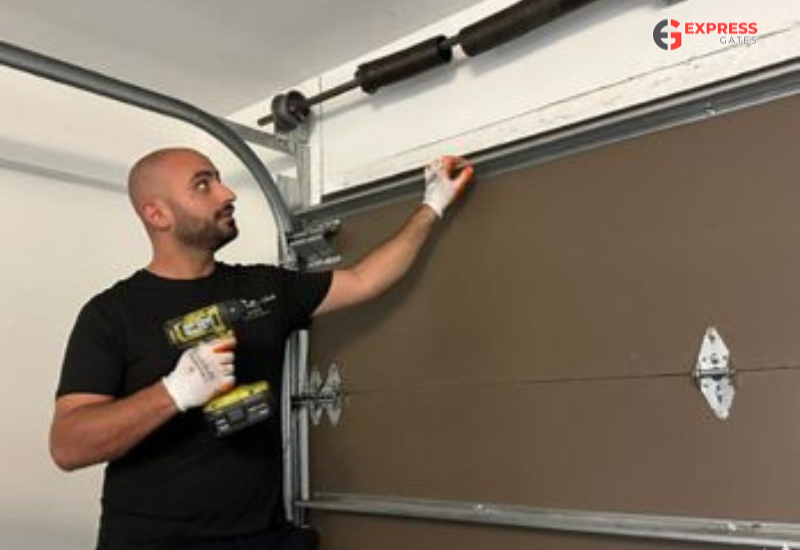
Not all automatic gate installations are created equal. A system that works perfectly inland might fail quickly when installed on a coastal property. Coastal conditions bring unique challenges—salt in the air, humidity, wind, and even minor flooding. These environmental factors can shorten the life of motors, corrode hardware, and compromise performance if not properly addressed.
That’s why working with technicians who understand local conditions makes all the difference.
At Express Gates, we’ve spent years designing, installing, and maintaining gates across Tweed and the Southern Gold Coast, where the climate demands more than just standard materials and setups. Our experience in these conditions means every gate we install is built for longevity, reliable in harsh weather, and suited to your exact environment.
Built for Coastal Conditions
The sea breeze that makes coastal living so appealing also carries fine salt particles that quickly corrode unprotected metal. That’s why we specify marine-grade components for all coastal installations, from stainless steel hinges and fixings to corrosion-resistant motors and powder-coated aluminium gates.
Every gate we build is designed to withstand years of exposure to salt, moisture, and sun without rusting or seizing. We don’t just install gates—we install gates that stay reliable, season after season.
Designed for Real-World Conditions
Local knowledge isn’t just about materials—it’s about understanding the environmental challenges of your site. We know how heavy rains can pool at driveway entrances, where control boxes are most vulnerable to water ingress, and how strong coastal winds can strain solid gate panels.
Because of that, we:
- Position control boxes high enough to avoid floodwater and garden run-off.
- Specify motor sizes that account for wind load and friction.
- Advise on design features—like slatted panels or reinforced posts—that improve performance in exposed areas.
These small design details make a huge difference in long-term reliability and maintenance costs.
The Express Gates Difference
When you work with Express Gates, you’re choosing a local team that knows the conditions, the standards, and the expectations of property owners in this region. Our approach includes:
- Marine-grade materials for durability and rust resistance.
- Fixed quotes—no surprises when the job’s done.
- Rapid response for breakdowns and emergency repairs.
- Professional installation and servicing focused on long-term reliability.
- Transparent communication and detailed handovers at every stage.
We’re proud to support local homes and businesses with gates that are not only functional but built to last in our unique coastal environment.
For an installation that’s designed specifically for Tweed and the Southern Gold Coast conditions, talk to Express Gates—your trusted local experts in automatic gate systems.
Frequently Asked Questions
How often should I service my automatic gate near the coast?
In inland areas, every 18–24 months might be enough. But for properties near the ocean, we recommend at least once a year. Salt and humidity accelerate wear, and catching issues early prevents major failures.
Can I upgrade my old gate instead of replacing it?
In most cases, yes. If the structure is sound, upgrading the motor, control box, and access technology can give your system a second life at a fraction of the cost of full replacement.
Is solar power reliable for gate automation?
Yes. Modern solar systems with properly sized batteries are reliable and ideal for remote properties or driveways far from the house. They also provide resilience during power outages.
How long does a typical repair take?
Most standard repairs are completed in one to two days once parts are available. Emergency repairs can often be completed the same day.
What materials last longest near the coast?
Stainless steel, marine-grade aluminium, and high-quality powder-coated finishes offer the best long-term protection against corrosion in coastal environments.
Build It Right, Maintain It Well
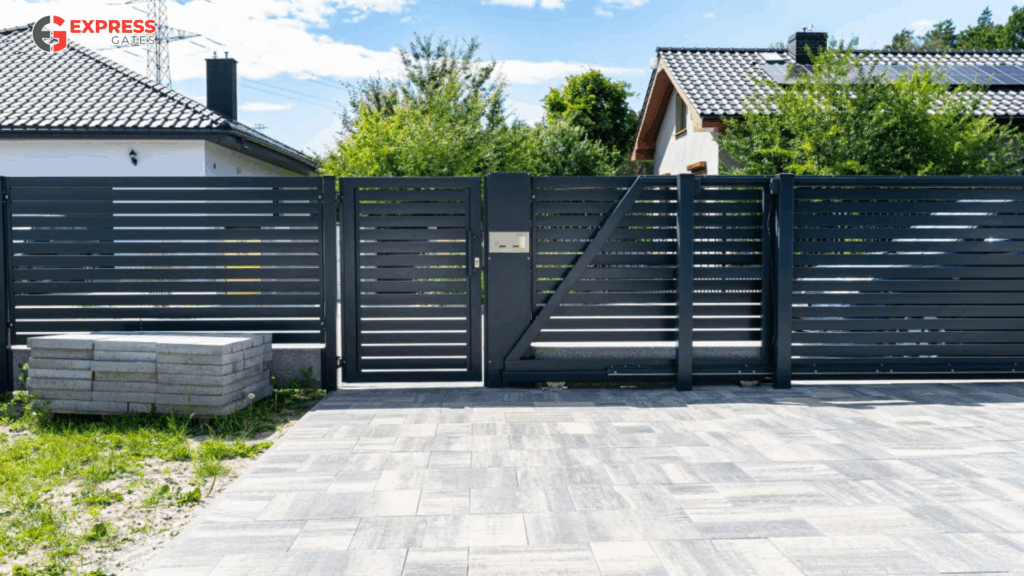
Automatic gates should enhance your property—not create constant headaches. But in coastal regions like Tweed and the Southern Gold Coast, the environment can be unforgiving to poorly installed or maintained systems.
With the right approach—quality materials, appropriate motor sizing, proper sealing, and regular maintenance—your gate can operate smoothly and securely for decades. When problems do arise, a professional repair and servicing process ensures they’re addressed thoroughly, not just patched temporarily.
If your gate is struggling, unreliable, or showing signs of wear, now is the time to act. Repairs and upgrades done early can prevent larger, more expensive failures later.